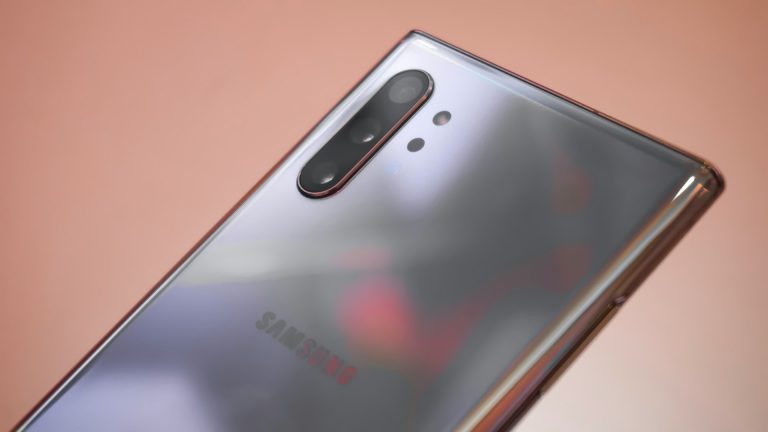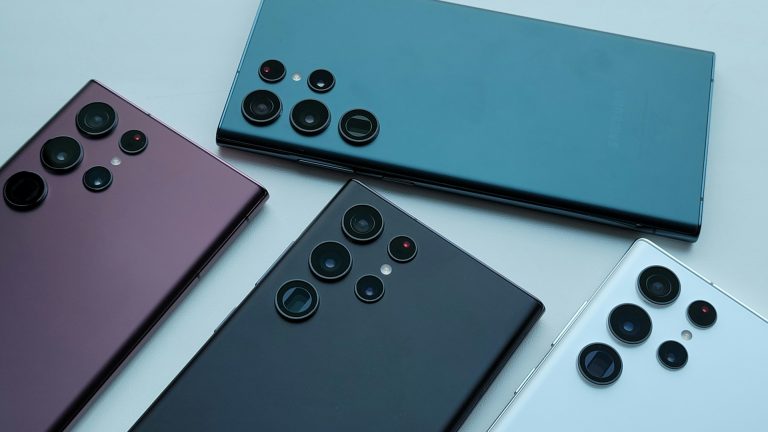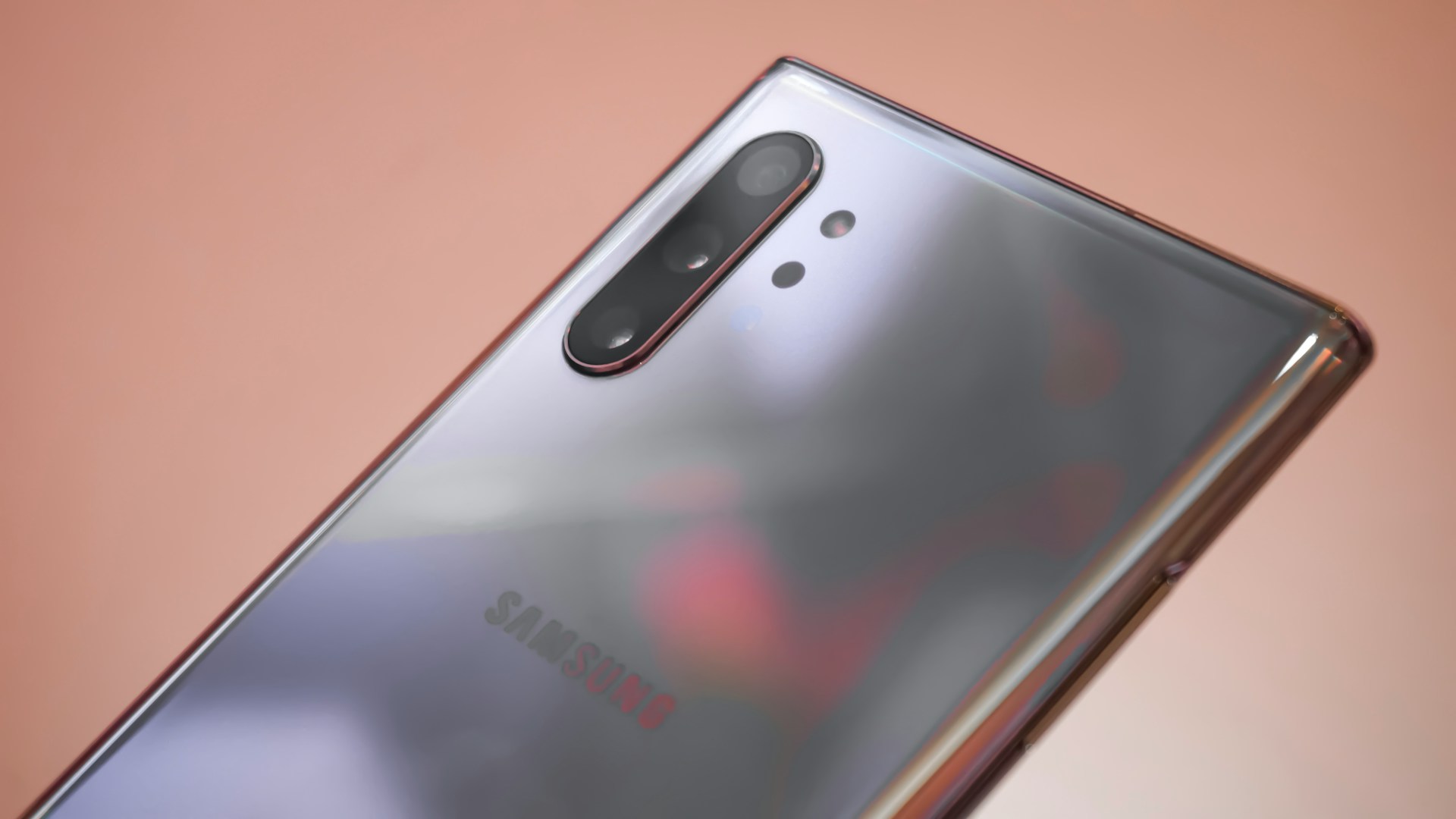
A recent security update is currently wreaking havoc on Samsung Galaxy S22 smartphones across the globe. Countless users have taken to platforms like Reddit to report that their devices are completely failing to start after installing the latest software patch. Instead of booting up to the familiar home screen, these phones get trapped in a frustrating, endless reboot cycle. Making matters worse, a standard factory reset does absolutely nothing to fix the glitch. This critical error isn’t just isolated to the base model. It seems to be hitting the entire 2022 lineup, pulling the S22, S22 Plus, and the premium S22 Ultra into the same digital black hole, though it is currently only affecting a seemingly random subset of owners.
Unclear Causes and Desperate Measures Finding a viable workaround has been a massive headache for the affected users. A few lucky individuals managed to salvage their phones by forcing a hard restart, while others had to take the drastic step of connecting their device to a PC and manually flashing the firmware from scratch. Right now, the actual cause of the crash remains a mystery. Tech outlets speculate the culprit could be a botched installation process, a severe bug baked directly into the new firmware, or perhaps even an interaction with aging hardware components. The timing of this issue is particularly brutal. Because the Galaxy S22 series hit the market four years ago, a huge portion of these phones are no longer covered by warranty. If the update permanently bricks the motherboard, users might be stuck footing the repair bill out of their own pockets.
Mounting Legal Trouble Interestingly, this isn’t the first time an update has crippled this specific generation of Samsung phones. The previous One UI 6.1.1 rollout caused identical bootloop issues for a chunk of the S22 user base. That earlier fiasco actually triggered a massive class-action lawsuit in the United States against the tech giant. According to legal filings, Samsung is accused of pushing the faulty update despite knowing the inherent risks involved. The lawsuit also claims the company completely failed to honor promised extended warranties for devices that were destroyed by version 6.1.1. This legal battle aims to cover any US consumer who bought an S22 series phone in the last four years and suffered through the crashes, which often resulted in heartbreaking, permanent data loss of irreplaceable photos and essential files. While the US lawsuit doesn’t directly impact international buyers, consumer protection groups remind owners that they generally have legal rights when a mandatory update breaks a device, as manufacturers are obligated to keep digital products usable and secure.
Remembering Reliable Hardware As flagship users grapple with software-induced bricking, the whole situation highlights a stark contrast with the reliable, relatively drama-free mid-range devices from Samsung’s recent past. Take the Galaxy A71, for example. Announced in late 2019 and released at the end of January 2020, it represented a highly stable era of smartphone design. The plastic-backed phone sports a massive 6.7-inch Super AMOLED Plus display protected by Gorilla Glass 3, delivering crisp visuals at a 2400 by 1080 resolution. Under the hood, the device is powered by the dependable 8-nanometer Snapdragon 730 octa-core processor and an Adreno 618 GPU. It came well-equipped for its time, offering either 6GB or 8GB of RAM alongside 128GB of internal storage, which users could easily expand up to 512GB via a microSDXC card slot.
Solid Specs From a Simpler Time For a mid-tier phone, the A71 packed a surprisingly robust multimedia setup. The rear quad-camera array is anchored by a 64-megapixel main sensor with an F1.8 aperture, flanked by a 12MP ultra-wide lens, a 5MP macro camera, and a dedicated 5MP depth sensor. It even supports 4K video recording at 30 frames per second. Up front, a 32MP selfie shooter handles high-dynamic-range photos and 1080p video capture. Keeping the hardware running is a 4500 mAh lithium-polymer battery featuring fast charging capabilities. During benchmark testing, that battery put up impressive endurance numbers, allowing for over twelve and a half hours of continuous gaming or nearly twelve hours of video playback. Connectivity was thoroughly up to par with Bluetooth 5.0, dual-band Wi-Fi, NFC, and a classic 3.5mm headphone jack. Starting its life on Android 10, the device cleanly saw updates all the way through Android 12. Looking back at the solid lifespan of the A71, current S22 owners staring at a frozen reboot screen probably wish their modern flagship offered that same basic reliability.
About the Author