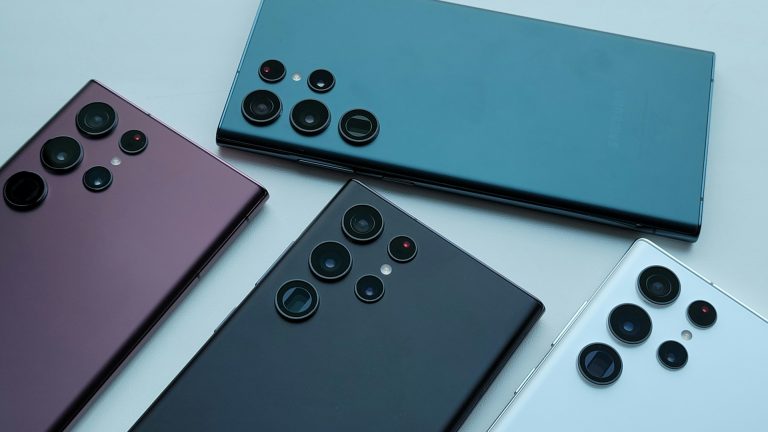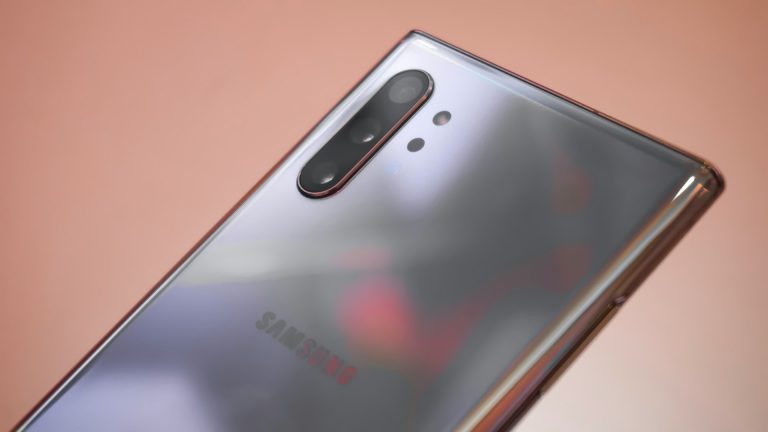
Samsung rarely rests on its laurels when it comes to pushing mobile hardware limits. Back in early 2024, the tech giant set a massive benchmark with the release of the Galaxy S24 Ultra. That $1,300 titanium-framed behemoth packed a stunning 6.8-inch Dynamic AMOLED display peaking at 2,600 nits, all protected by heavy-duty Corning Gorilla Glass Armor. It was a true spec monster. Photography enthusiasts got a versatile quad-camera array featuring a 200MP main ISOCELL HP2 sensor alongside dual telephoto lenses, while power users praised the snappy Snapdragon 8 Gen 3 processor. Paired with up to 1TB of storage and 12GB of RAM, it easily chewed through heavy workloads. The 5,000 mAh battery comfortably offered over 13 hours of intensive gaming or 20 hours of web browsing. Add in Wi-Fi 7, an ultrasonic in-screen fingerprint reader, and the signature built-in S Pen, and the S24 Ultra proved Samsung knew exactly how to build a premium, durable slab phone. Fast forward to today, and the company is shifting its focus toward a radically different form factor to fend off a looming competitor.
A New Shape for the Foldable Market
Leaks are currently pouring in about a brand-new device dubbed the Samsung Galaxy Z Wide Fold. This phone is squarely aimed at the highly anticipated iPhone Fold from Apple, which industry insiders expect to drop this September. Rather than simply iterating on standard folding designs, Samsung is tweaking the blueprint entirely. The Z Wide Fold will reportedly feature a 7.6-inch screen. While that actually measures a bit smaller than the massive eight-inch display on the Galaxy Z Fold 7, the aspect ratio is the real story here. When opened, it takes on a much wider, tablet-like footprint. This completely changes how you hold and interact with the device, earning it the “Wide” moniker.
Processing Power and Battery Life
What exactly is powering this new design? Current rumors strongly point toward the Snapdragon 8 Elite Gen5—the exact same silicon currently beating inside the Galaxy S26 Ultra. That said, nothing is set in stone. Samsung might still throw a curveball and use its own in-house 2nm Exynos 2600 chip to handle the heavy lifting. Supplying the juice is a 4,800 mAh dual-cell battery. It is a welcome step up from the somewhat disappointing 4,400 mAh capacity of the Fold 7, though it admittedly falls short of the massive 5,600 mAh battery found in the Galaxy Z TriFold or some of its current Chinese competitors. Even with that slightly smaller capacity, the Z Wide Fold’s efficiency should easily get you through a full day away from the wall outlet.
Tailoring the Software Experience
Hardware is only half the battle when launching a new form factor. Apple is supposedly designing its foldable iPhone to offer a distinct, iPad-like software experience, and Samsung is matching that unconventional approach. They are heavily tailoring the user interface to take full advantage of the wider screen space. It is a risky bet for both tech giants, especially considering the mixed mainstream reception of ultra-thin phones in the past. If Apple’s foldable fails to gain serious traction, Samsung’s Wide Fold will likely feel the ripple effect. Still, after seeing the massive—albeit limited-market—success of the Galaxy TriFold, the Korean company is clearly feeling confident enough to roll the dice one more time.
About the Author