As the mobile market matures, Samsung consumers in 2026 face a diverse range of choices, whether they are looking to retire a beloved classic or aiming for maximum value on a budget. A close look at the hardware progression from the Galaxy S20 FE to the Galaxy S23, paired with surprising news regarding the entry-level Galaxy A07, reveals a company aggressively pivoting toward longevity and display performance across all price tiers.
The Upgrade Dilemma: S20 FE vs. Galaxy S23
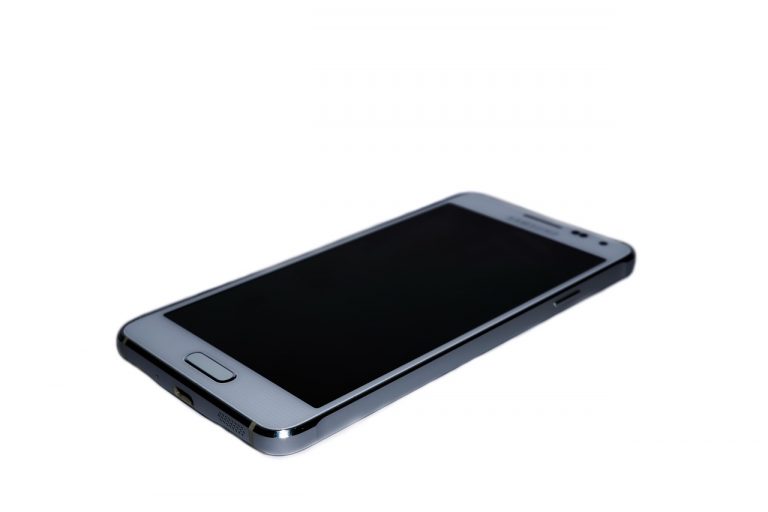
For years, the Samsung Galaxy S20 FE (Fan Edition) has been regarded as a value champion. Released in late 2020, it offered a massive 6.5-inch Super AMOLED display and a 4,500 mAh battery. However, users holding onto this device are now weighing the benefits of upgrading to the Galaxy S23, a move that comes with significant trade-offs.
The most jarring shift for long-time users is the physical design. The S23 is markedly smaller, featuring a 6.1-inch screen and weighing just 5.93 oz compared to the S20 FE’s 6.70 oz. While this makes the S23 more pocketable, it sacrifices screen real estate. Furthermore, the materials have shifted from a practical plastic back to premium Corning Gorilla Glass Victus 2, increasing durability against drops but changing the hand-feel entirely.
Performance Gains and Storage Casualties
Under the hood, the generational gap is undeniable. The S23 utilizes the Snapdragon 8 Gen 2, a powerhouse that drastically outperforms the S20 FE’s aging Snapdragon 865. In benchmark scenarios, the S23 nearly doubles the multi-core scores of its predecessor, driven by an Adreno 740 GPU that handles modern gaming with ease. The display also sees a massive brightness boost, capable of hitting 1,750 nits compared to the standard performance of the older model.
However, power users must accept a painful compromise: the removal of the microSD card slot. While the S20 FE supported expansion up to 1TB, the S23 locks users into their purchased internal storage, albeit with faster UFS 4.0 read/write speeds. Additionally, the battery capacity has technically dropped from 4,500 mAh to 3,900 mAh, though the more efficient 4nm processor architecture attempts to offset this reduction.
Camera Evolution
Photography enthusiasts will notice a distinct change in hardware philosophy. The S23 dumps the older 12MP main sensor for a 50MP shooter, enabling 8K video recording—a feature absent on the FE. While the front camera megapixel count dropped from 32MP on the FE to 12MP on the S23, newer processing algorithms generally yield better dynamic range and low-light performance.
A New Standard for Budget Longevity
While the flagship conversation focuses on raw specs, Samsung is quietly revolutionizing its entry-level lineup. Reports out of Thailand indicate that the newly unveiled Samsung Galaxy A07 is setting a new precedent for software support in the budget sector.
Historically, extended update cycles were the exclusive domain of the expensive S-series. The A07 disrupts this trend by offering up to six years of software support immediately following its launch. This is a significant jump from its predecessor, the Galaxy A06, which was capped at four years. For consumers who prefer to keep their devices for the long haul, this dramatically increases the value proposition of the A-series.
Flagship Features Trickle Down
The Galaxy A07 is not just relying on software promises to sell units; it brings substantial hardware upgrades to the table. It is positioned as the most affordable 5G handset in the lineup, featuring a 120Hz display—matching the refresh rate of the premium S23—and a high brightness mode reaching 800 nits.
Out of the box, the A07 runs One UI 8 based on Android 16. Given the six-year support window, users can theoretically expect updates all the way through Android 22. This strategy suggests Samsung is aiming to lock in budget-conscious users by offering a device that stays secure and functional far longer than the industry standard for “cheap” phones. Whether buying a powerhouse S23 or an entry-level A07, the clear focus for Samsung remains on display quality and extending the usable life of their hardware.
About the Author