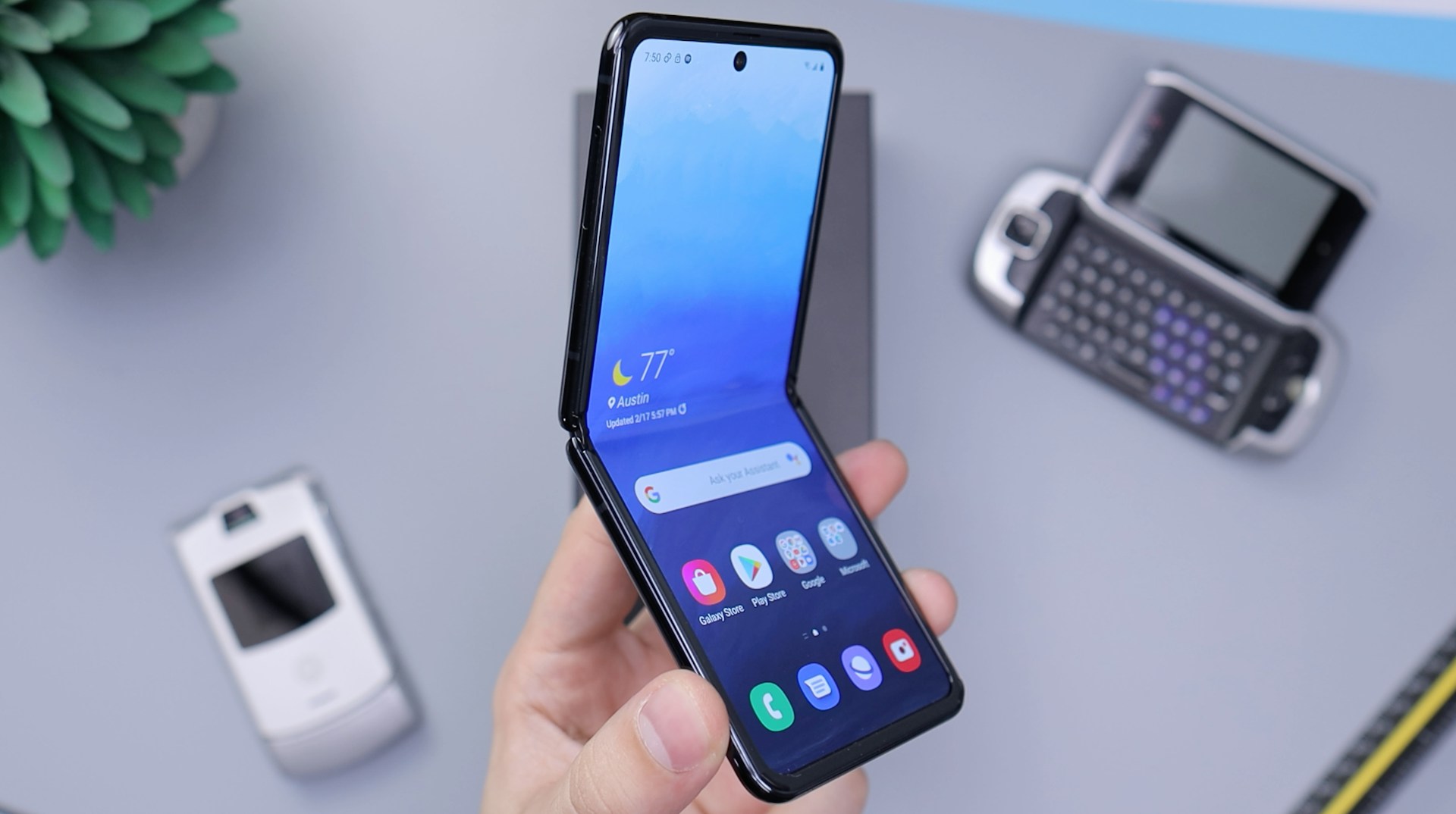
The mobile software landscape is hitting a major turning point this May 2026. Google and Samsung are pushing AI integration to new heights, aligning their next-generation operating systems tighter than ever before. With the official unveil of Android 17 and the massive global rollout of Samsung’s One UI 8.5, we’re witnessing a fundamental shift. We aren’t just talking about traditional operating systems anymore; developers are calling them “intelligence systems,” driven by the deep embedding of Google’s AI frameworks directly into Samsung’s custom user experience.
Take Google’s Android 17, for instance. Internally dubbed “Cinnamon Bun,” its core architecture was just showcased at the Android Show on May 12. Forget minor cosmetic tweaks—the big play here is “agentic workflows.” These are AI-driven processes capable of handling complex tasks across multiple apps without you having to intervene. The crown jewel of this push is Continue On, a seamless handoff feature that lets you bounce active tasks back and forth between your phone and tablet. It’s kicking off with Google Docs and Chrome, but third-party support is dropping later this year. Google is also throwing in a digital wellbeing tool called Pause Point to combat doomscrolling by proactively nudging you to take a breather when you open highly distracting apps.
Right now, Android 17 is sitting at its fourth beta, effectively reaching the Platform Stability milestone. With internal APIs locked down, OEMs like Samsung are already deep into their final optimizations. Some of the coolest confirmed features include Rambler for Gboard, which flips spoken words into professionally formatted text, and Screen Reactions, letting you record your screen and selfie cam simultaneously for social content. Throw in an overhaul that transitions 4,000 flat Material Design emojis to a new Noto 3D look, plus a totally revamped Android Auto interface built to adapt to unusual screen shapes—from perfectly round to ultra-wide—and it’s a pretty stacked update.
Running parallel to Google’s development track, Samsung is pushing the pedal to the metal with the global rollout of One UI 8.5. Built on Android 16 QPR2, this version actually premiered alongside the Galaxy S26 lineup back in March. As of early May, the stable update has already hit over 17 different device models across South Korea, Europe, and North America. A massive part of Samsung’s strategy here is democratizing Galaxy AI. They’re bringing a targeted, lighter version dubbed Awesome Intelligence to mid-range hardware like the Galaxy A56 and A36. Sure, you lose the heavy-lifting generative capabilities of the S-Series, but you still score upgraded communication tools and essential photo editing tricks.
The real bombshell in this update? Samsung’s Quick Share just integrated AirDrop compatibility. This Google-backed partnership is a massive quality-of-life upgrade for Galaxy users, letting them shoot files directly to Apple devices and seriously reducing the friction of living in a mixed-ecosystem household. This same update is currently rolling out to flagship tablets, with Galaxy Tab S11 and S11 Ultra owners getting the drop right after a month-long beta. Starting in South Korea before a wider global release, the tablet firmware (versions X736NKOU5BZE3 and X936NKOU5BZE3) brings that same AirDrop support alongside a highly customizable Quick Settings panel designed specifically to take advantage of larger displays.
Phones and tablets alike are also snagging features like Now Nudge, which uses real-time screen awareness to predict your next move, and Identity Check, an anti-theft layer demanding biometric authentication for sensitive settings even if the device is already unlocked. Samsung has also beefed up the desktop experience with a DeX Touchpad upgrade that remembers window sizing, and redesigned the Audio Broadcast controls to effortlessly handle unlimited Bluetooth LE connections.
If you read between the lines, the current synergy between One UI 8.5 and the Android 17 beta points to a deeply collaborative engineering effort. Industry insiders are pegging Samsung as the primary partner testing the Android 17 core, ensuring that features like Continue On are baked directly into the Galaxy ecosystem the second the stable build drops. The leap from the Android 16-based One UI 8.5 to the upcoming Android 17-powered One UI 9 is shaping up to be the fastest and tightest transition in the company’s history.
About the Author